No Nonsense: A history of the Dutch neoliberal turn
Book presentation by dr. Merijn Oudenampsen
- Date
- 10 September 2026
- Time
- 15:30 -17:00
- Room
- B5.12
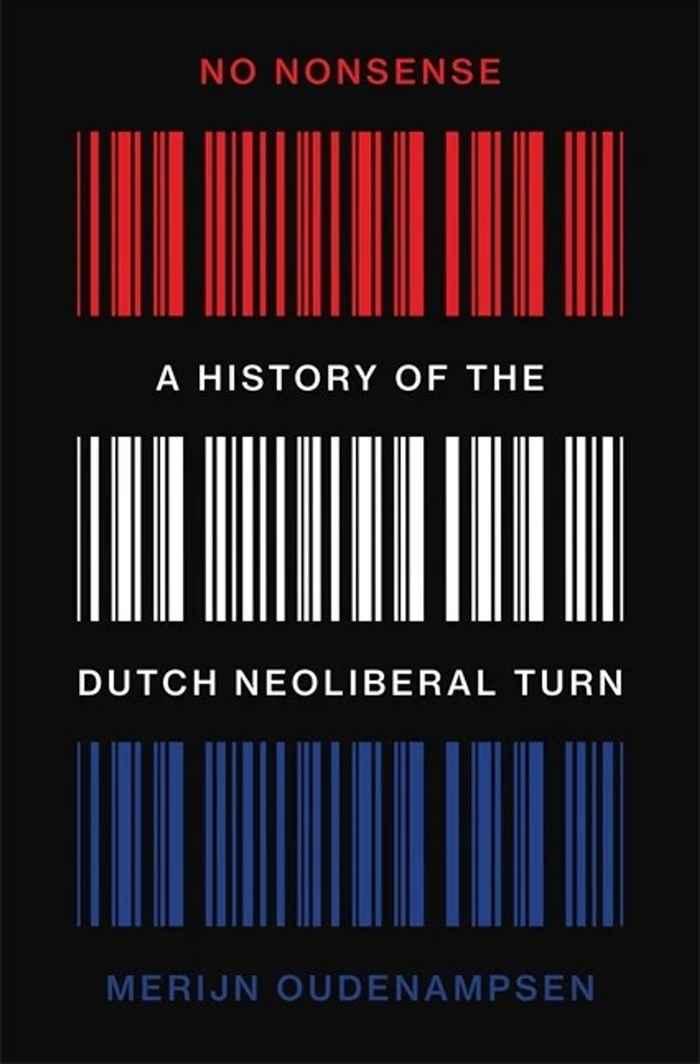
In the sixties and seventies, Dutch politicians built one of Europe’s most generous welfare states. The Dutch enjoyed high wages and a large social housing stock with an infrastructure funded by high taxes. In the economic crisis of the 1980s however, Dutch politics underwent a neoliberal turn. The Christian Democrat Prime Minister Ruud Lubbers presented himself as ‘a manager in politics’ and the country as an ailing business in need of restructuring.
In marked contrast to the Anglophone world, Lubbers depoliticized his reforms and sold them to the public as a suite of ‘no-nonsense’ policies. While initially rife with controversy, the neoliberal agenda became increasingly consensual in the 1990s, ushering in the famed Dutch ‘polder model’. The polarized fights over economic policy of the 1980s were largely forgotten.
About the speaker
Merijn Oudenampsen is a political scientist and sociologist, specialised in the study of political ideas. His book No Nonsense is the product of his NWO-funded research project Market Makers based at the UvA and a Marie Curie fellowship at the Université Libre de Bruxelles. He has published this research in journals such as Comparative European Politics, Economy & Society, Perspectives on European Politics, Political Studies, Contemporary European History and the Journal of European Public Policy.
This book presentation is co-organised by the Amsterdam Centre for Inequality Studies (AMCIS) and the Amsterdam Centre for Constitutional Culture & Democratic Governance (ACCu).